
Osoba postep na BC Game to cashback w straty doswiadczone do ubieglym tygodniu gra wideo
August 25, 2026Marzenia w zwolnienie legalnych maszyn do gra online jednak do 2017 roku szybko okazaly sie plonne
August 25, 2026The Best Handgun Ammo for Self-Defense and Stopping Power in 2024
A single .45 ACP round can deliver over 400 foot-pounds of energy, enough to stop a threat in its tracks with one well-placed hit. Your choice of bullet weight and powder charge dictates everything from recoil to penetration, so match the load to your barrel length and intended use. Hollow points expand on impact, creating a larger wound channel and transferring that energy more efficiently than full metal jacket rounds. Practice with the exact ammo you carry, because point of impact shifts with bullet design and velocity.
What Actually Happens Inside the Barrel When You Pull the Trigger
When you pull the trigger on a loaded handgun, the striker or hammer slams into the primer, igniting a chemical compound that sends a flash through the flash hole into the case. This ignites the powder, which burns violently and creates high-pressure gas. That gas expands rapidly, forcing the bullet out of the case and into the barrel’s throat. Inside the barrel, the bullet engages the rifling, which are the spiral grooves cut into the steel. These grooves grip the projectile’s copper jacket and spin it, stabilizing it in flight. As the bullet travels down the bore, pressure peaks and then drops once it passes the muzzle crown, venting gas and noise. The entire sequence—from primer strike to bullet exit—takes about one millisecond.
Primer, Powder, and Projectile: The Three-Stage Ignition Sequence
When you pull the trigger, the firing pin smacks the primer, powder, and projectile, kicking off a rapid three-stage sequence. First, the primer’s shock-sensitive compound detonates, sending a flash of heat through the flash hole. 7mm WSM Ammo for Sale That ignition instantly lights the powder charge, which burns at a controlled, explosive rate, generating hot gas that builds massive pressure. Finally, that expanding gas shoves the projectile—the bullet—down the barrel’s rifling, spinning it for stability. The magic lies in timing: the powder must burn completely before the bullet exits, or you lose velocity and accuracy. Each stage depends on the last, making a clean, consistent cycle every shot.
Why Bullet Weight (Grain) Changes Recoil, Velocity, and Point of Impact
Heavier bullets accelerate slower under the same powder charge, so bullet weight directly dictates felt recoil because Newton’s third law transfers more momentum to your hands. Lighter grains exit faster, flattening trajectory and raising impact point at typical handgun distances, while heavier options drop more sharply, landing lower. Recoil impulse also spreads differently: a 115-grain load snaps, a 147-grain load shoves. This is why switching grain weight without re-zeroing shifts your group by several inches at 25 yards. Follow this sequence:
- Choose grain weight first
- Confirm point of impact at your zero distance
- Adjust sights only after firing a full magazine.
How to Match the Cartridge to Your Specific Handgun’s Purpose
Matching the cartridge to your handgun’s purpose starts with defining the job: for concealed carry, prioritize a short-barrel-friendly load like 9mm +P with a bonded hollow point, ensuring reliable expansion from a 3-inch barrel. For competition, choose a low-recoil cartridge such as 38 Super Comp or a light 9mm load that lets you shoot fast and track the front sight for rapid follow-ups. If you’re hunting or defending against large animals, step up to 10mm Auto or 44 Magnum with hard-cast or heavy monolithic bullets that penetrate deeply through hide and bone. For home defense, avoid over-penetration by selecting a 45 ACP with a controlled-expansion JHP, which dumps energy quickly in drywall and interior barriers. Always verify your pistol’s barrel length and twist rate, as shorter barrels lose velocity and may fail to expand a marginal cartridge. Match the bullet weight to your recoil spring stiffness—a 147-grain 9mm cycles best with a standard spring, while lighter 115-grain loads may need a softer recoil spring to function reliably. The nuanced truth is that your gun’s manual is a starting point, but only specialty sports a chronograph and a box of mixed loads will tell you what it really likes.
Range Practice vs. Personal Defense: Different Ballistic Priorities
For range practice vs. personal defense, ballistic priorities diverge sharply. Practice loads emphasize low recoil, consistent point of impact, and minimal barrel fouling, allowing high-volume repetition without shooter fatigue. Defensive ammunition prioritizes terminal performance: controlled expansion, sufficient penetration depth (12–18 inches), and reliable functioning under rapid, stress-induced manipulations. Full metal jacket practice rounds often over-penetrate and under-expand in tissue, making them unsuitable for self-defense, while defensive hollow points may be cost-prohibitive and snappier for Ammunition for Sale routine drills. Your practice cartridge must replicate the defensive round’s recoil impulse and zero, or your muscle memory will misalign under pressure. Therefore, select a practice load with similar bullet weight and velocity to your carry ammo, and reserve premium defensive rounds for periodic function checks.
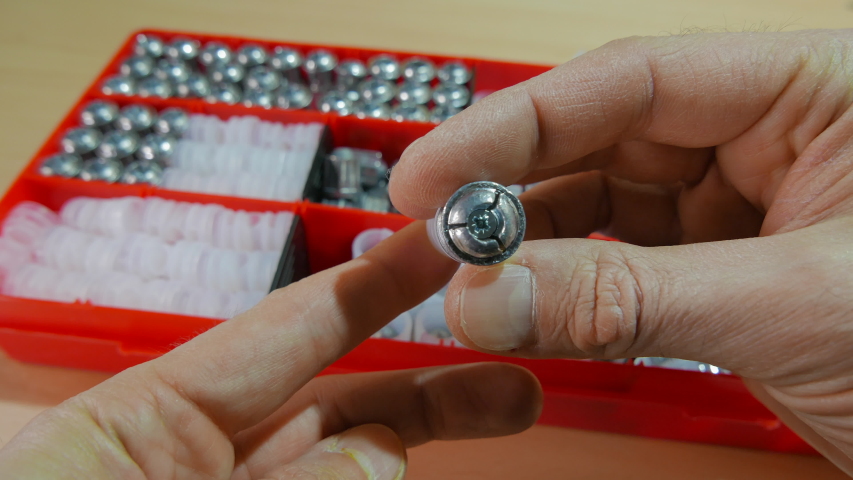
Practice ammo prioritizes economy and recoil management; defense ammo prioritizes penetration and expansion. Train Rifle Ammo for Sale with a ballistic twin of your carry load, but carry only proven defensive ammunition.
Compact, Subcompact, and Full-Size Frames: Feeding and Pressure Considerations
Compact and subcompact frames have shorter slides and stiffer recoil springs, which can make them picky about ammo—especially with lighter loads. Snappy, higher-pressure defensive rounds often 6.5 Creedmoor Ammo for Sale feed more reliably because the extra gas cycles the slide with authority. Full-size frames, with their longer action and softer spring rates, tolerate a wider range of pressures, but you still need to watch for weak loads that fail to lock back. The real trick is testing your specific gun: a subcompact might choke on flat-nose bullets, while a full-size eats them fine. Always prioritize feeding reliability over raw pressure—a gun that jams on a hot load is useless, so verify both spring tension and bullet profile at the range.
Understanding the Lethal and Penetration Differences Between Bullet Types
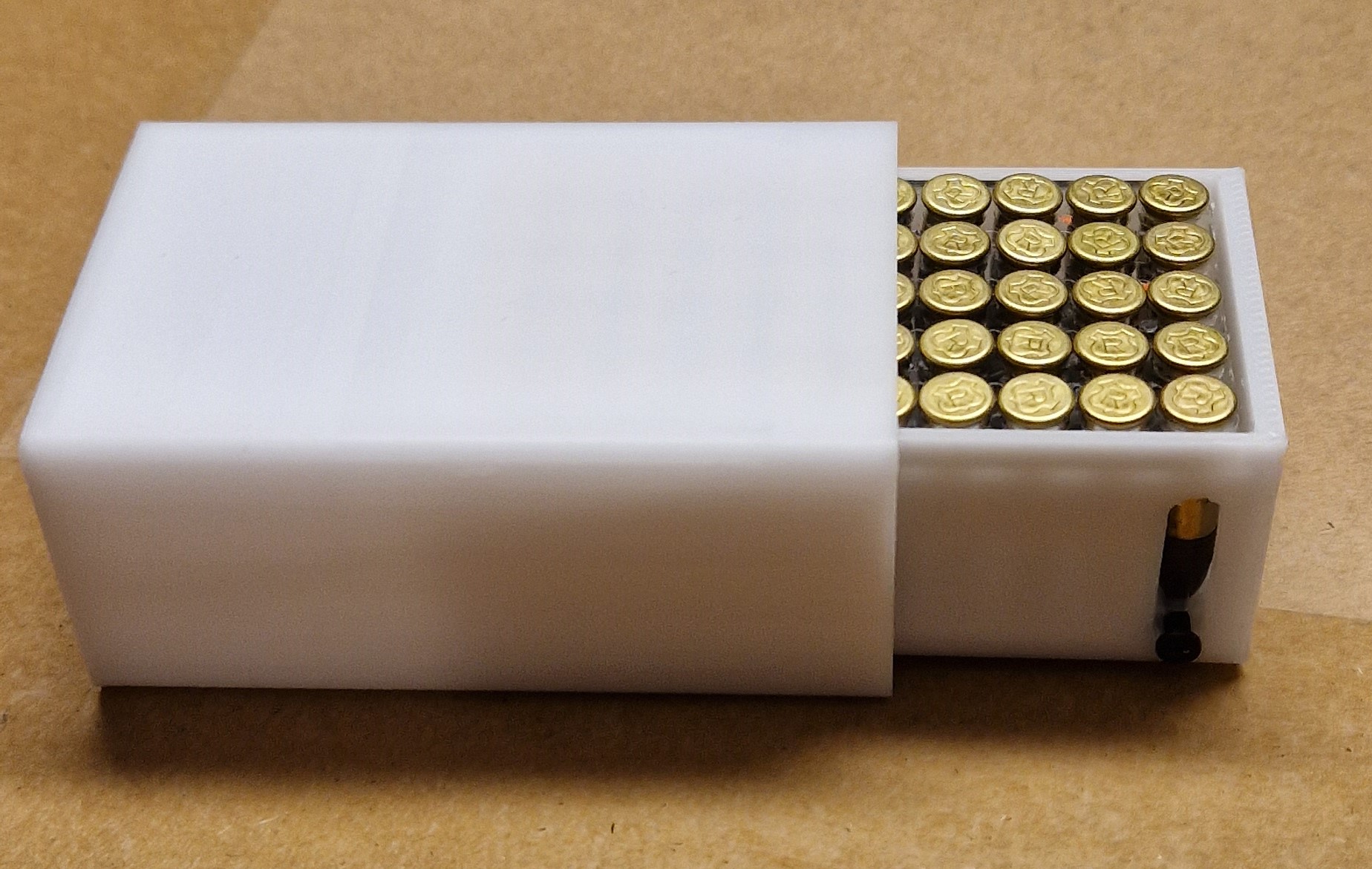
Understanding lethal effect and penetration in handgun ammo starts with projectile construction. Full metal jacket (FMJ) rounds penetrate deeply but create a narrow, permanent wound channel, often passing through targets with minimal energy transfer—lethality relies on hitting critical structures. Jacketed hollow points (JHP) expand on impact, increasing frontal diameter, which disrupts more tissue and transfers energy faster, but expansion reduces penetration depth, especially through barriers like heavy clothing or drywall. Fixed or bonded cores retain weight and drive deeper, while frangible rounds fragment immediately, limiting penetration to shallow depths but causing severe superficial damage. For defensive use, you need a balance: choose a JHP that penetrates 12–18 inches in ballistic gel after expanding, as less risks under-penetration, more risks over-penetration. Q: Why do FMJs over-penetrate yet underperform? A: Their hard jacket prevents expansion, so they bore straight through, sacrificing tissue disruption for deep, straight-line travel—dangerous for bystanders and less immediately incapacitating.
Full Metal Jacket (FMJ): Flat-Nose, Round-Nose, and Why They Train Differently

FMJ flat-nose and round-nose handgun loads differ primarily in feed reliability and terminal effect. Round-nose profiles feed most smoothly in semi-automatic pistols, making them the standard for target practice and malfunction-reduction drills. Flat-nose FMJ, by contrast, offers a larger meplat that creates a more pronounced wound channel in ballistic gelatin, but can cause stoppages in some feed ramps, especially in older designs. Because of this, shooters train differently: round-nose is used for high-volume repetition and speed shooting, while flat-nose is reserved for penetration testing or duty simulations where a more positive impact is needed. Training with both is critical, as your gun’s reliability with each profile dictates what you can carry or compete with safely.
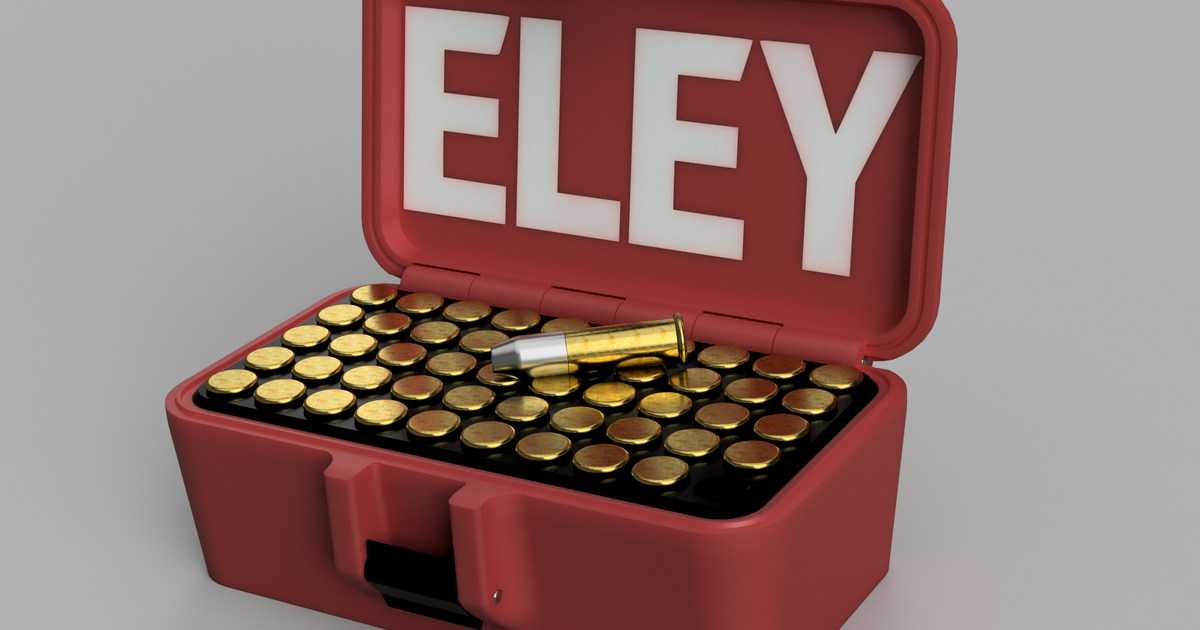
Q: Why can’t I just train with round-nose FMJ and carry flat-nose FMJ?
If your pistol feeds flat-nose reliably, it is fine, but many guns struggle with the squared shoulder. If you only train with round-nose, you may never discover a feed failure until you need the flat-nose round—so always run at least 200 flat-nose rounds through your exact carry setup before trusting it.
Hollow Points: Expansion Mechanics, Barrier Performance, and Over-Penetration Risks
Hollow points rely on hydraulic pressure to initiate controlled expansion mechanics, peeling back the jacket upon impact with soft tissue to create a larger wound cavity. This expansion dramatically increases drag, which limits barrier performance; passing through materials like drywall or sheet metal often clogs the cavity, causing the round to behave like a full metal jacket and fail to expand. Consequently, the primary risk of over-penetration emerges not from 6.5 PRC Ammo for Sale intact expansion but from plugged hollow points that retain their core mass and momentum after defeating a barrier. In practical terms, heavily clothed targets or intermediate barriers can degrade expansion, making penetration depth unpredictable, while proper expansion generally reduces exit wound likelihood by transferring energy rapidly, though misses always retain inherent over-penetration danger.
Reading the Box: Decoding Caliber Names, Velocity Ratings, and Pressure Symbols
The box is your ballistic truth-teller, so read it like a spec sheet, not a label. Decoding caliber names means understanding that “.38 Special” and “.357 Magnum” share a bullet diameter but not chamber pressure—never assume interchangeability. Velocity ratings, typically listed in feet per second, directly dictate your bullet’s trajectory and expansion threshold; a 124-grain 9mm at 1,150 fps behaves entirely differently than the same grain at 1,350 fps. Pressure symbols like “+P” or “+P+” signal overpressure loads that generate higher velocity and sharper recoil, but they also accelerate firearm wear. Always match the box’s pressure rating to your gun’s stated limits, as ignoring these symbols risks catastrophic failure. For self-defense, choose lower-pressure hollow points for reliable feeding, while full-power loads are only worth the stress if your slide cycles them flawlessly. The box never lies—your extraction issues will.
What the +P and +P+ Markings Really Mean for Your Pistol’s Lifespan
+P and +P+ markings mean the cartridge generates higher chamber pressure than its SAAMI-standard baseline, directly trading recoil for velocity. For your pistol’s lifespan, this pressure spike accelerates slide velocity, battering the locking block, frame rails, and recoil spring sooner than standard loads. A gun rated for +P will handle occasional use, but +P+ lacks any official pressure ceiling, making it a gamble even in robust designs. Shooting a box of +P+ through a compact polymer frame is like running a marathon in sprinting shoes—the wear isn’t instant, but cumulative fatigue hits harder and earlier. Check your manual’s explicit rating; unrated pistols face cracked slides or stretched frames.
- Recoil spring fatigue accelerates with +P, often requiring 7mm-08 Ammo for Sale replacement every 1,500–2,000 rounds instead of 5,000.
- Battering at the barrel hood and feed ramp increases peening, shortening accuracy life.
- +P+ can exceed proof-test thresholds, risking catastrophic frame failure on older alloy pistols.
- Even rated pistols lose lifespan roughly 30–50% faster when fed a steady diet of +P.
Common Calibers Compared for Recoil Management and Stopping Power
Comparing common handgun calibers reveals a direct trade-off between recoil and stopping power. The 9mm Luger offers moderate recoil, enabling faster follow-up shots, while its modern expanding loads deliver adequate penetration. The .40 S&W provides a perceptible recoil increase with marginal ballistic gain over 9mm, often hindering control for less practiced shooters. The .45 ACP generates a heavy, pushing recoil but excels in large-caliber stopping power potential with subsonic heavy bullets. For novices, 9mm is the optimal balance; for those prioritizing one-shot psychological effect, .45 ACP remains viable, accepting slower recovery.
| Caliber | Recoil Character | Typical Stopping Power Factor |
|---|---|---|
| 9mm | Snappy, manageable | High (with modern JHP) |
| .40 S&W | Sharp, brisk | Marginal increase over 9mm |
| .45 ACP | Heavy push, slow | High (large frontal area) |
Practical Tips for Buying, Storing, and Rotating Your Cartridge Supply
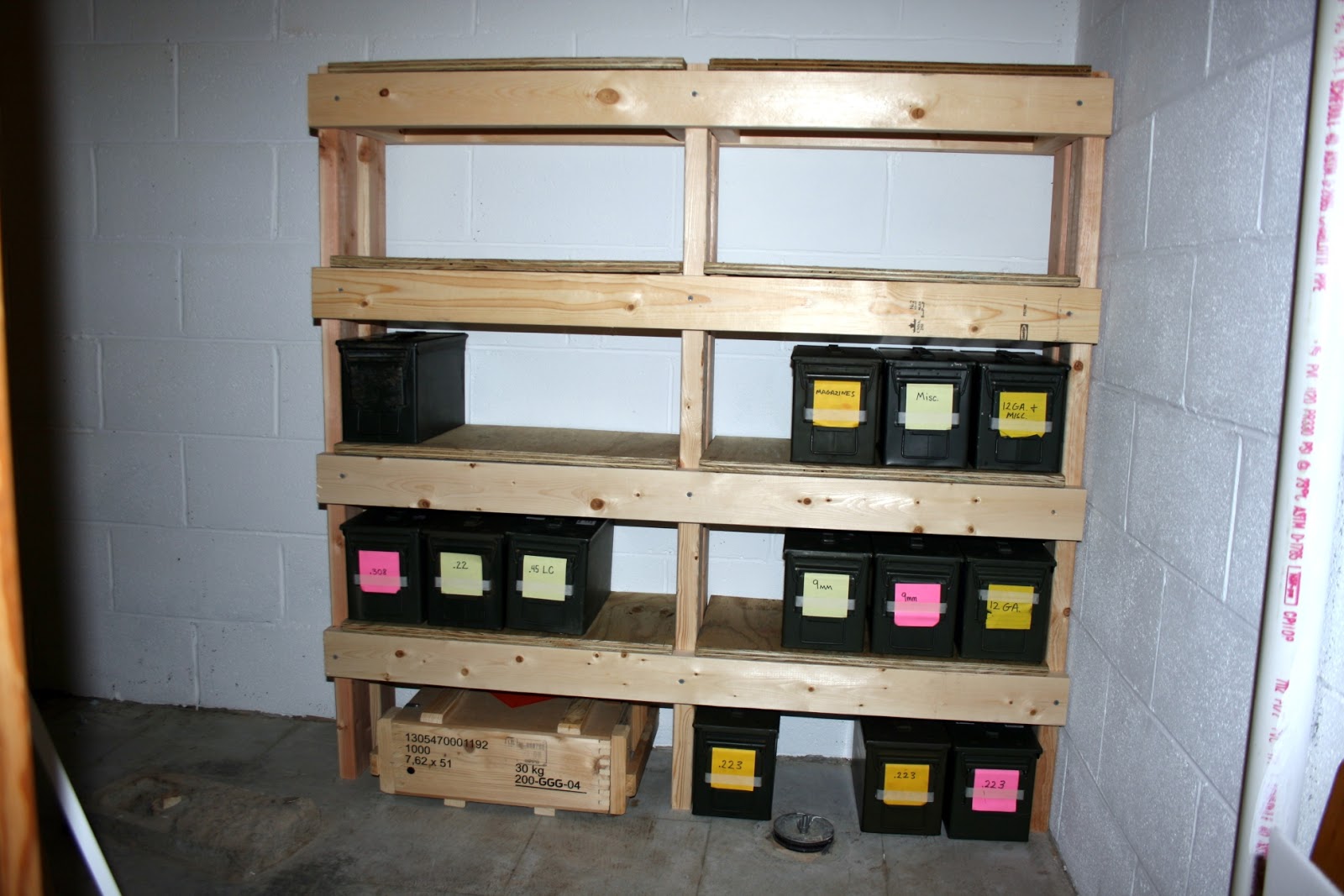
When buying handgun ammo, purchase in batches with matching lot numbers to ensure consistent performance, and prioritize reputable brands even if they cost slightly more. Store cartridges in a cool, dry place—ideally below 75°F with low humidity—inside sealed military-style ammo cans with desiccant packs to prevent corrosion. Rotate your supply by writing the purchase date on each box and using a “first in, first out” system: place new stock behind older stock and shoot the oldest first, ideally within 12 months. Avoid storing loose rounds in magazines, as spring pressure can deform cases. Rotating monthly is best, but semi-annual checks work if you track dates. A quick Q&A: How often should you inspect stored handgun Rimfire Ammo for Sale ammo? Check every 3–6 months for green corrosion on brass, loose primers, or bullet setback, and immediately discard any rounds that show damage or fail to chamber smoothly.
Lot Numbers, Headstamps, and How to Spot Reloaded or Damaged Rounds
Check the headstamp on every box and cartridge; it reveals the manufacturer and caliber, and mismatched headstamps in a single box signal mixed or reloaded rounds. Always verify the lot number on the box matches the ammunition inside—a discrepancy means tampering or substitution. Inspect each round Shotgun Ammo for Sale for a recessed or flattened primer, which indicates it was fired and reloaded; factory rounds have flush, clean primers. Look for cracked cases, bent rims, or corrosion around the primer pocket, all signs of damage that can cause malfunctions or dangerous pressure spikes. When rotating stock, discard any cartridge with a loose bullet or excessive sealant, as these are unreliable.
- Compare lot numbers on box and ammunition to ensure factory integrity.
- Examine primer depth; sunken primers reveal reloaded rounds.
- Reject cases with bulges, splits, or scorch marks near the headstamp.
- Beware of shiny, re-polished cases that hide resizing marks.
Best Practices for Ammo Storage: Temperature, Humidity, and Magazine Loading Habits
For handgun ammunition, stable temperature and low humidity are non-negotiable for long-term reliability. Store rounds in a sealed container with desiccant, maintaining a consistent 60–70°F environment; avoid garages or attics where thermal cycling degrades powder and primers. Rotate stock every six months, placing older cartridges into your carry or practice rotation. Regarding magazines, avoid leaving them fully compressed for months—this weakens springs. Instead, alternate loaded and empty magazines between range trips, or download to 80% capacity for storage. Always inspect cartridges for corrosion or bullet setback before loading, and never reload a round that has been chambered repeatedly. Consistent temperature, controlled moisture, and thoughtful magazine cycling ensure reliable ignition and feeding.
Fixing Malfunctions: When the Round Fails to Fire, Feed, or Eject
A failure to fire, feed, or eject often stems from the round itself, not the gun. A malfunction clears with immediate action: tap, rack, and assess. If the primer strikes but the round doesn’t ignite, wait ten seconds, then eject the live cartridge—suspect a hard primer or bad propellant. For a failure to feed, a weak or incorrectly seated round may jam against the ramp; drop the magazine, rack the slide twice, and reload. A failure to eject might involve underpowered ammunition lacking enough recoil to cycle the slide.
Always retain the malfunctioning round and its casing to inspect for primer depth, setback, or neck damage—these tell you if the ammo or the magazine is the root cause.
If a fresh magazine doesn’t resolve repeated issues, the ammunition’s overall length or rim thickness is likely out of spec, so switch lots and test again.
Light Strikes, Hard Primers, and the Ammo-Related Causes of a Click-No-Boom
When you hear a click instead of a boom, the culprit often lies in the ammunition itself. A light strike failure occurs when the firing pin impact lacks sufficient force to crush the primer, frequently due to primers seated too deep or a high primer that absorbs the blow. Conversely, hard primers—military-grade or certain foreign brands—require a more forceful strike than your firearm’s spring can deliver. Inspect the primer indentation: a shallow dent points to a weak strike, while a deep dent with no ignition indicates a hard primer. Switching to domestically made, soft-primer ammo is the most reliable fix before you modify any internal parts. Always verify your ammo’s primer brand and seating consistency.
Q: Can a dirty firing Handgun Ammo for Sale pin channel cause a light strike on ammo? A: Yes, carbon fouling in the channel slows the pin, reducing primer impact—clean it thoroughly, then retest with fresh, known-primer ammo to isolate the cause.
Why Dirty or Underpowered Loads Cause Stovepipes and Failure-to-Feeds
Underpowered handgun ammo fails to generate enough gas pressure to fully cycle the slide, leaving it short of travel and unable to strip the next round from the magazine—a classic failure-to-feed. Similarly, a dirty chamber or fouled extractor increases friction, robbing the already weak slide of the momentum needed to eject the spent casing, which then gets caught vertically—a stovepipe. Timing and lubrication are everything when running marginal loads. A gun that runs flawlessly on hot factory rounds can choke repeatedly on weak reloads once carbon builds up. Keep the feed ramp polished and the extractor channel clean to give weak ammunition every possible advantage.
- Weak loads lack the kinetic energy to fully compress the recoil spring.
- Carbon buildup on the extractor hooks prevents a clean grip on the rim for ejection.
- Fouled feed ramps slow the bullet’s path, exacerbating an already short slide stroke.
- Dry or gritty rails increase resistance, tipping the balance toward a malfunction.
